Cases

What Prism found in the field.

Pilot deployments, each told in full: the machine, the signal Prism caught, what the team did and the measured result. Details anonymized; figures rounded from measured results. New cases are added here as pilots close.

Cases
3
Industries
3
Ways in
4
Industry
Deployment

Showing 3 cases

  1. Auxiliary generator in a ship's engine roomMarineA misaligned generator, fixed by the crew at sea8dbefore the next port
  2. Rotary filler in a bottling hallFood & beverageA filler drive bearing, caught at stage two9wkearly warning
  3. Motor-driven pump unit in a plant hallWater utilityA rotor bar fault, found from the cabinet6wkplanning window
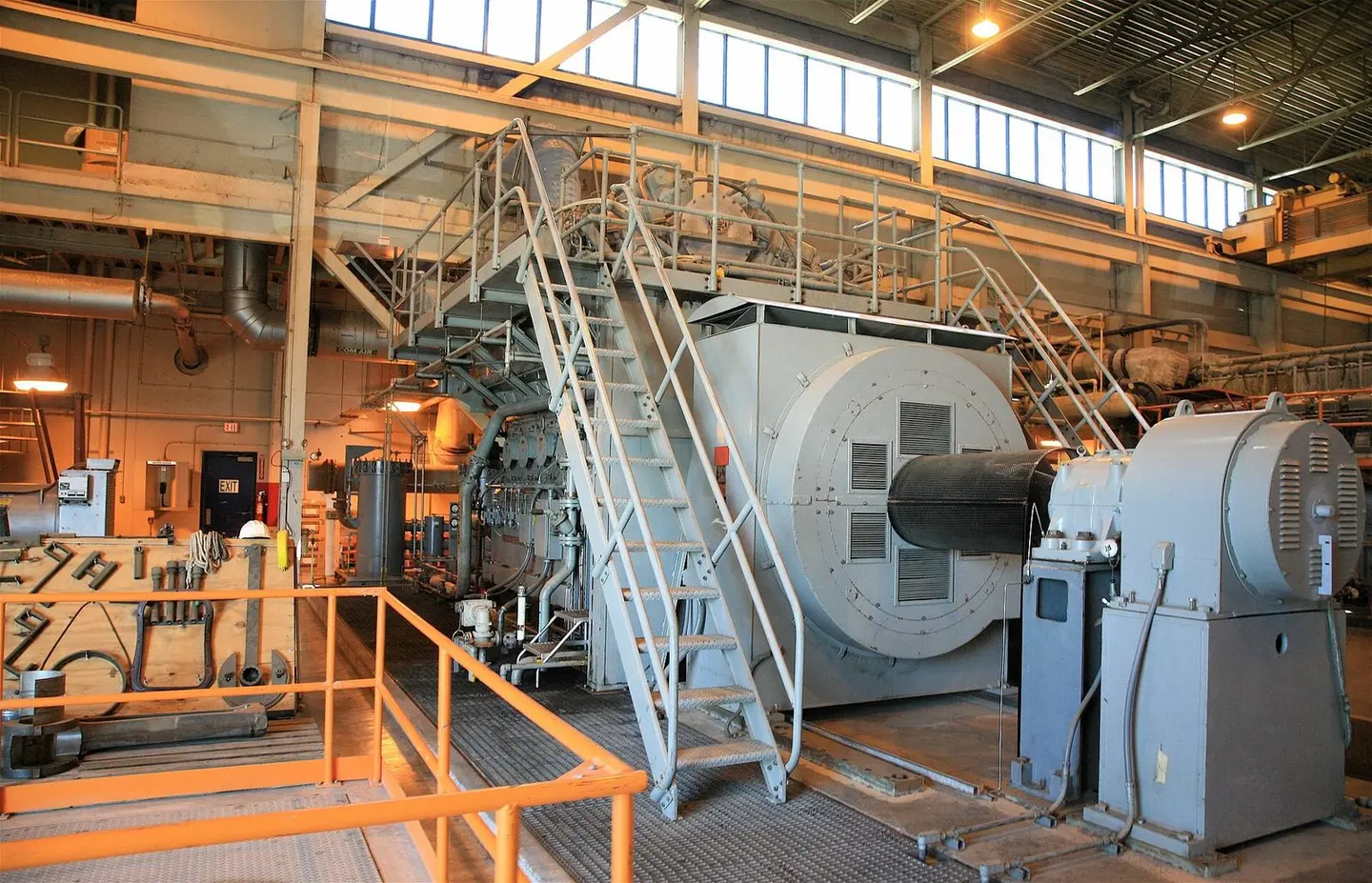
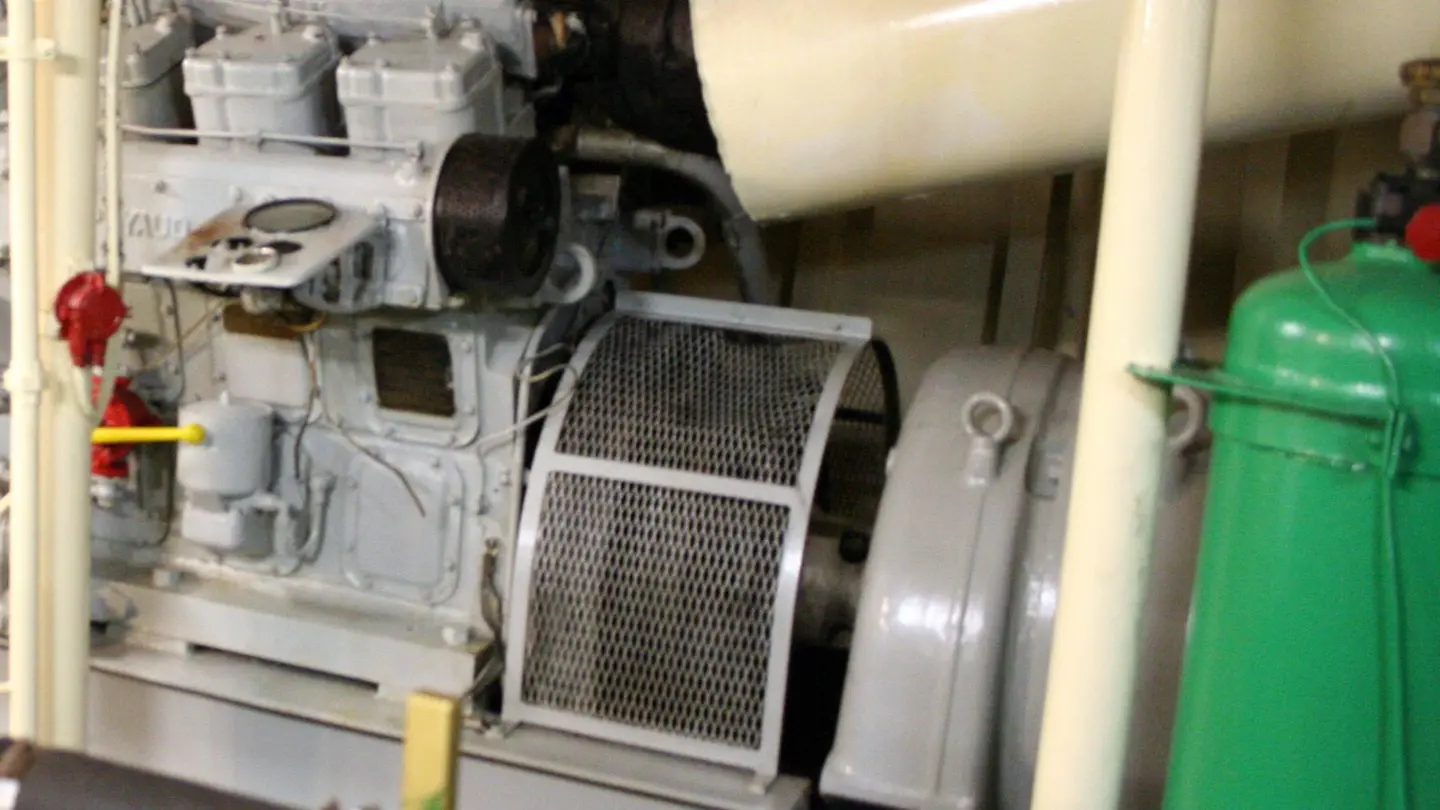
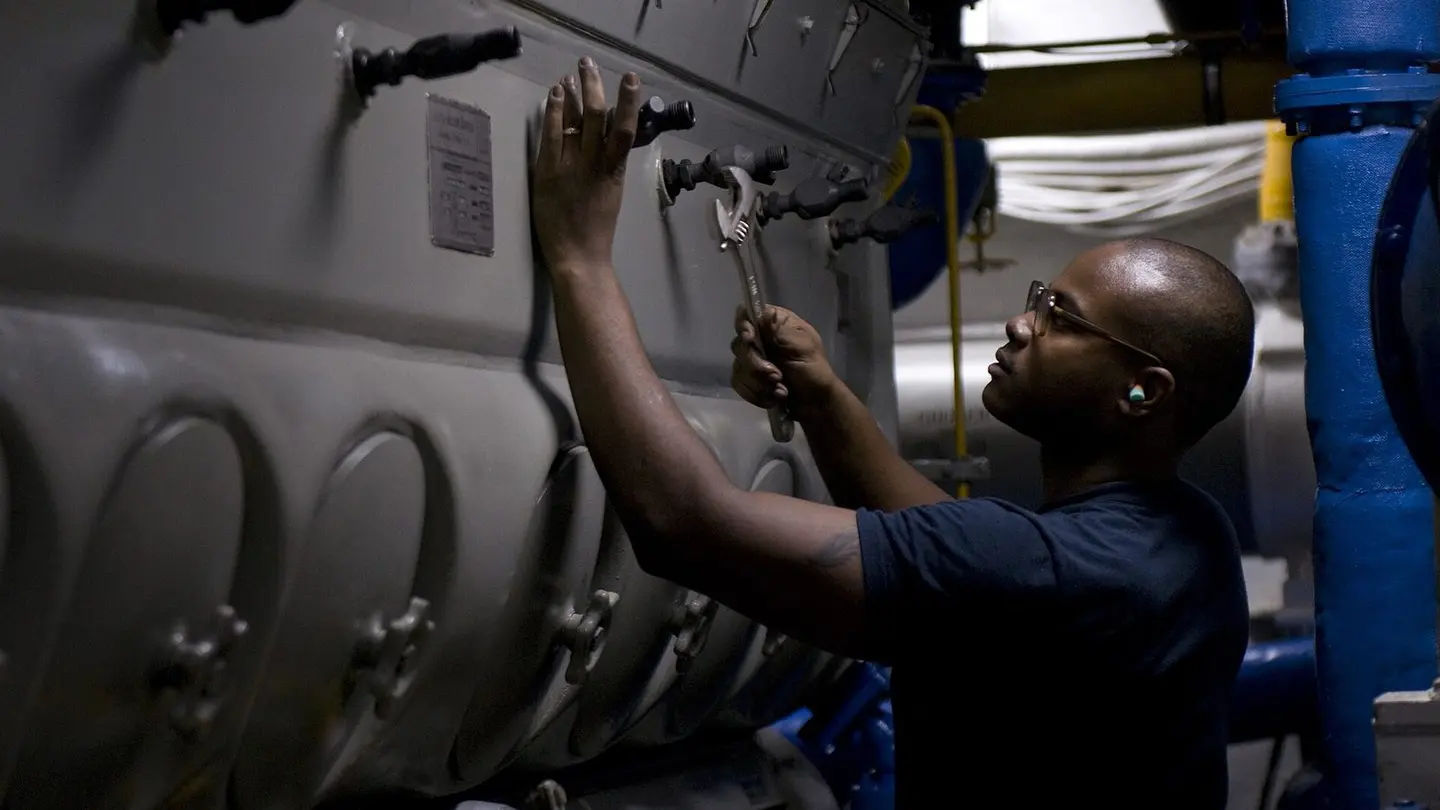
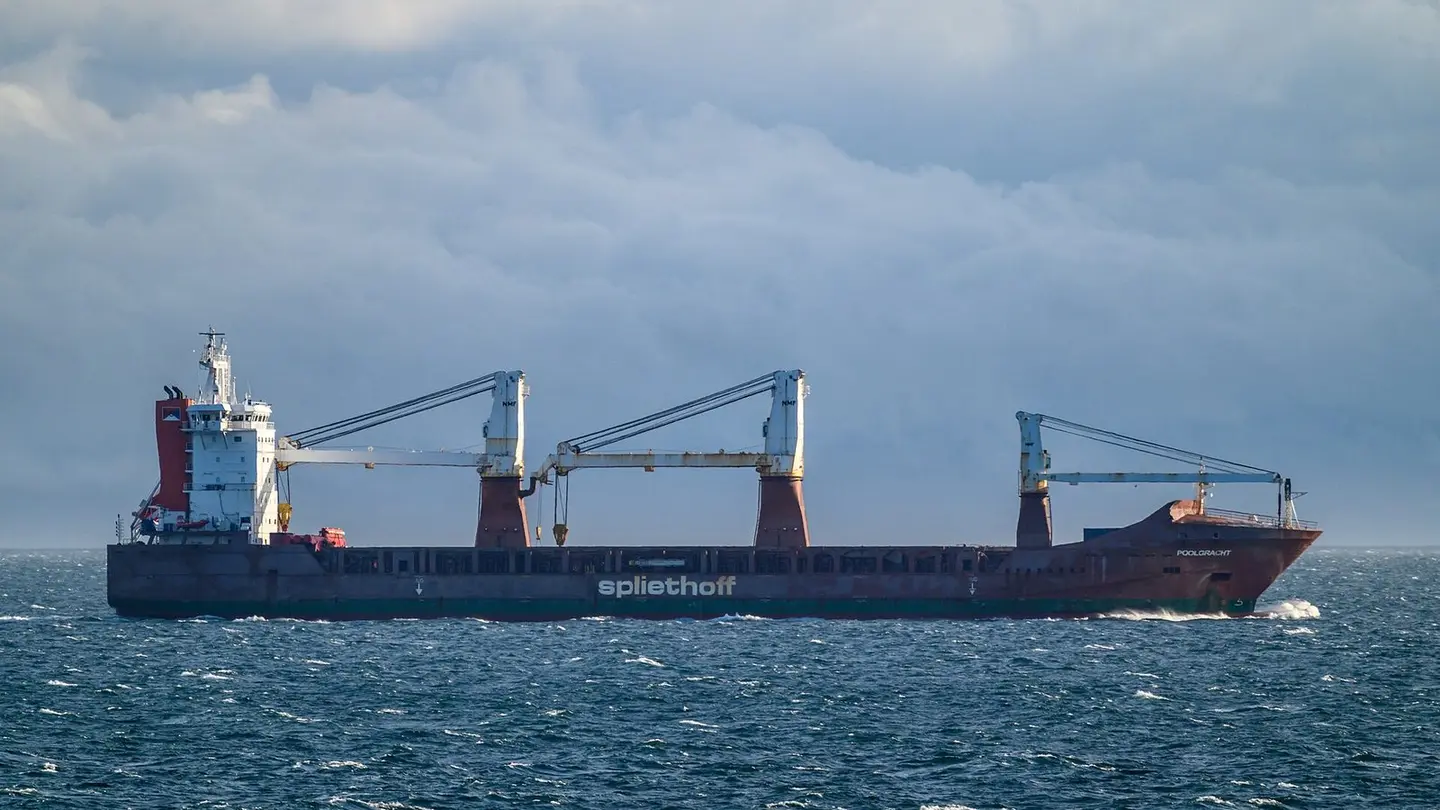
Auxiliary generator in a ship's engine roomCrew member working on the generatorCargo ship in open sea
Prism · on board, offlineAngular misalignmentGen 2 coupling · 2× dominant, axial
  1. Confirm 2× and axial phase
  2. Check soft foot and coupling seat
  3. Shim, realign, re-torque
Verified on board, first run

Flagged. Day 2 at sea: a 2× peak with axial phase on generator No. 2. Prism names it: angular misalignment after the coupling change.

Guided. No link to shore. Prism's procedure walks the crew through the checks: soft foot, coupling seat, shims.

Verified. Realigned in four hours at the next change-over. Prism confirms it from the first run. Port is still eight days away.

Fixed at sea, 8 days before the next port
  1. Flagged by Prismday 2 at sea
  2. Realigned by the crewday 3 · 4 hours
  3. Next portday 11
Marine

A misaligned generator, fixed by the crew at sea

Situation

A bulk carrier mid-crossing, nine days from the next port and without a usable link to shore. Prism runs on the vessel's own edge box, fully offline; the engine crew are the only hands available.

What happened

Two days out, Prism flagged angular misalignment on generator No. 2 and tied it to the coupling element replaced in port. Its procedure walked the crew through the checks; the set was shimmed and re-torqued at the next change-over, and Prism confirmed the fix from the first run.

4hcrew time, at sea
8dbefore the next port
Machine
Auxiliary generator No. 2 on a bulk carrier, mid-crossing
Finding
Angular misalignment after the coupling element was replaced in port
Signature
2× dominant, axial phase
Where Prism ran
The vessel's own edge box, fully offline, no link to shore
Outcome
Shimmed and re-torqued by the crew in 4 hours; Prism confirmed the fix from the first run

Read nextMisalignment in the vibration spectrumCondition monitoring for ship machineryMisoki for marine & ports

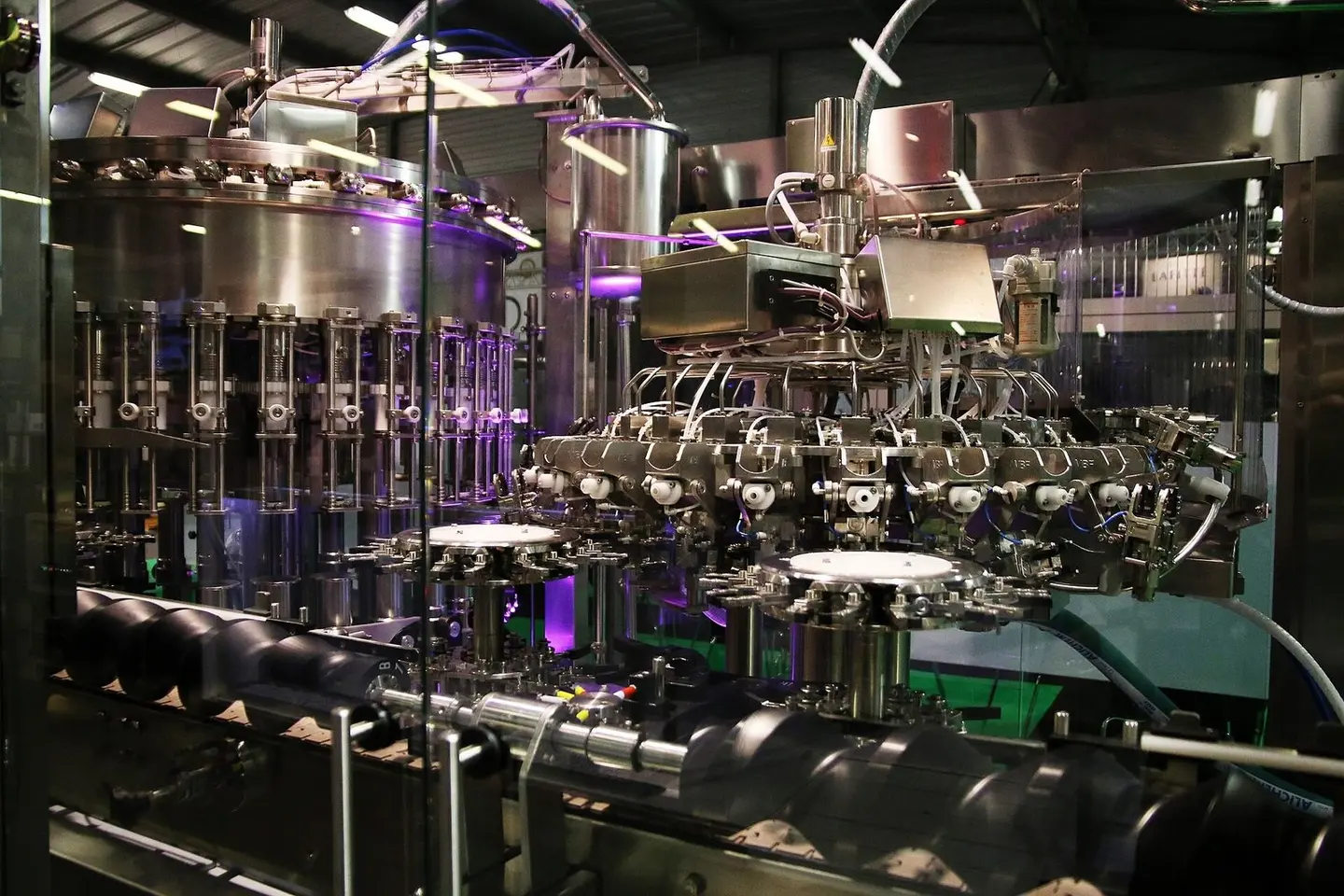
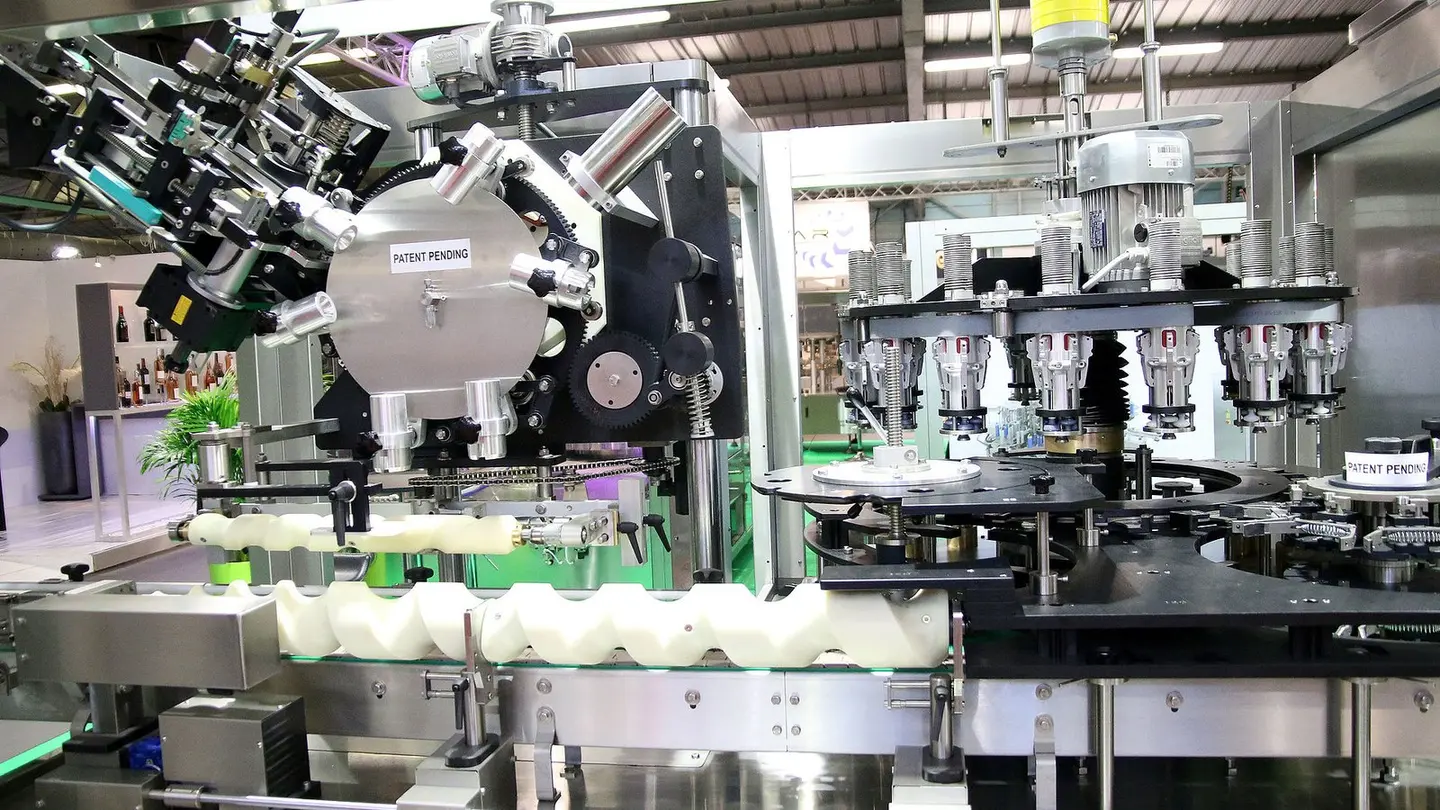
Rotary filler in a bottling hallBottles streaming down the conveyorThe line back in production after the swap
Prism · diagnosisOuter-race bearing faultFiller drive, DE bearing · stage 2 of 4
Work order raisedBearing swapped

Detected. From the existing wireless sensor on the filler drive, Prism grades the DE bearing at stage 2 of 4 and projects failure in nine weeks.

Planned. The work order goes into the next cleaning window. The line keeps running.

Swapped. Bearing replaced in week 6. The failure Prism projected for week 9 never came.

9 weeks of warning
  1. Diagnosedweek 0
  2. Bearing swappedplanned cleaning window
  3. Projected failureweek 9
Food & beverage

A filler drive bearing, caught at stage two

Situation

A bottling plant ran monthly vibration routes; faults between rounds surfaced as breakdowns. Prism went live on the existing third-party wireless sensors. No new hardware was installed.

What happened

Prism named an outer-race bearing fault on the filler drive with 0.9 confidence, nine weeks before projected functional failure. The bearing was swapped during a planned cleaning window.

9wkearly warning
~40hdowntime avoided
Machine
Filler drive, drive-end bearing, in a bottling plant
Finding
Outer-race bearing fault, stage 2 of 4, confidence 0.9
Data
The existing third-party wireless sensors; no new hardware installed
Before
Monthly vibration routes; faults between rounds surfaced as breakdowns
Outcome
Bearing swapped in week 6 in a planned cleaning window; ~40 h of downtime avoided

Read nextBearing fault frequenciesBearing fault frequency calculatorMisoki for food & beverage

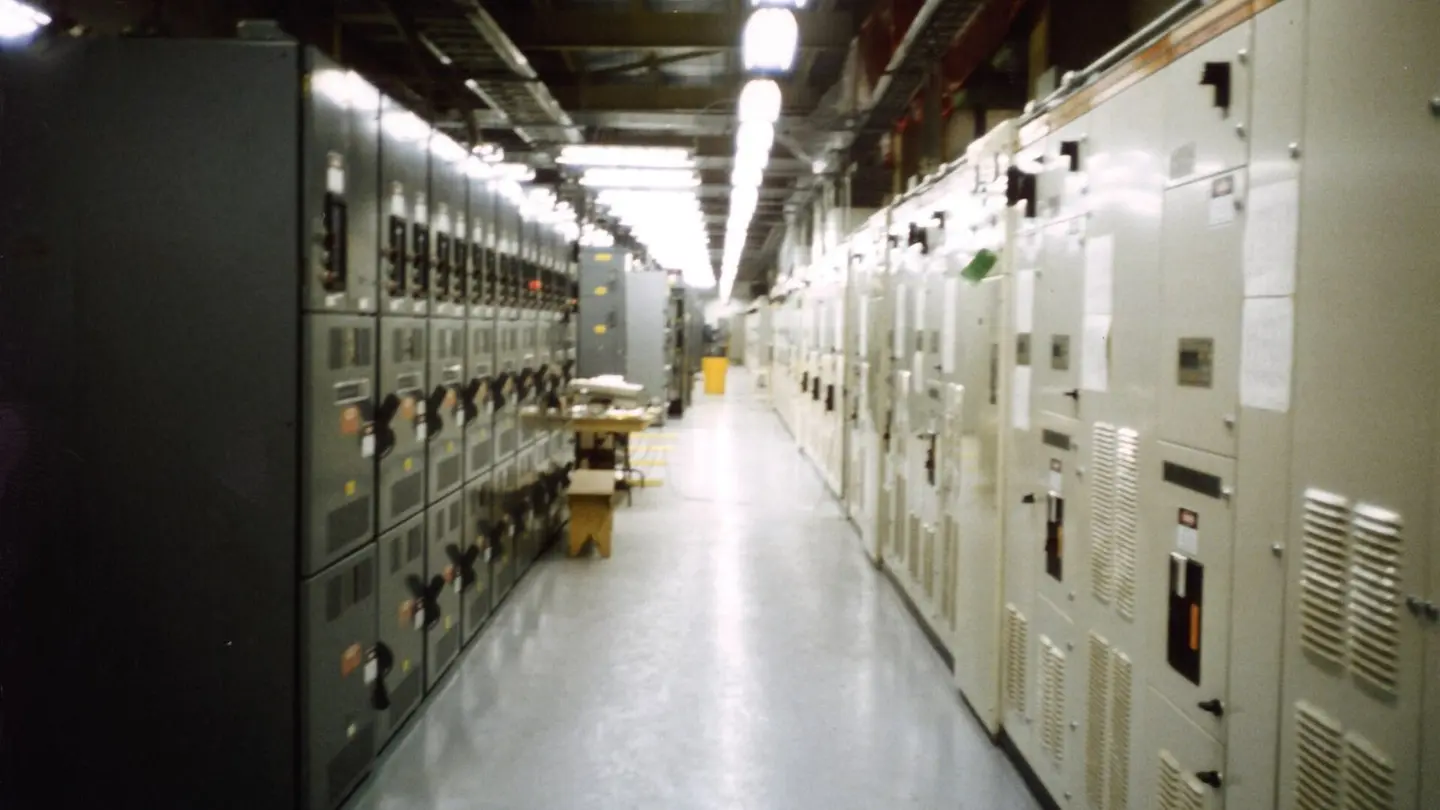
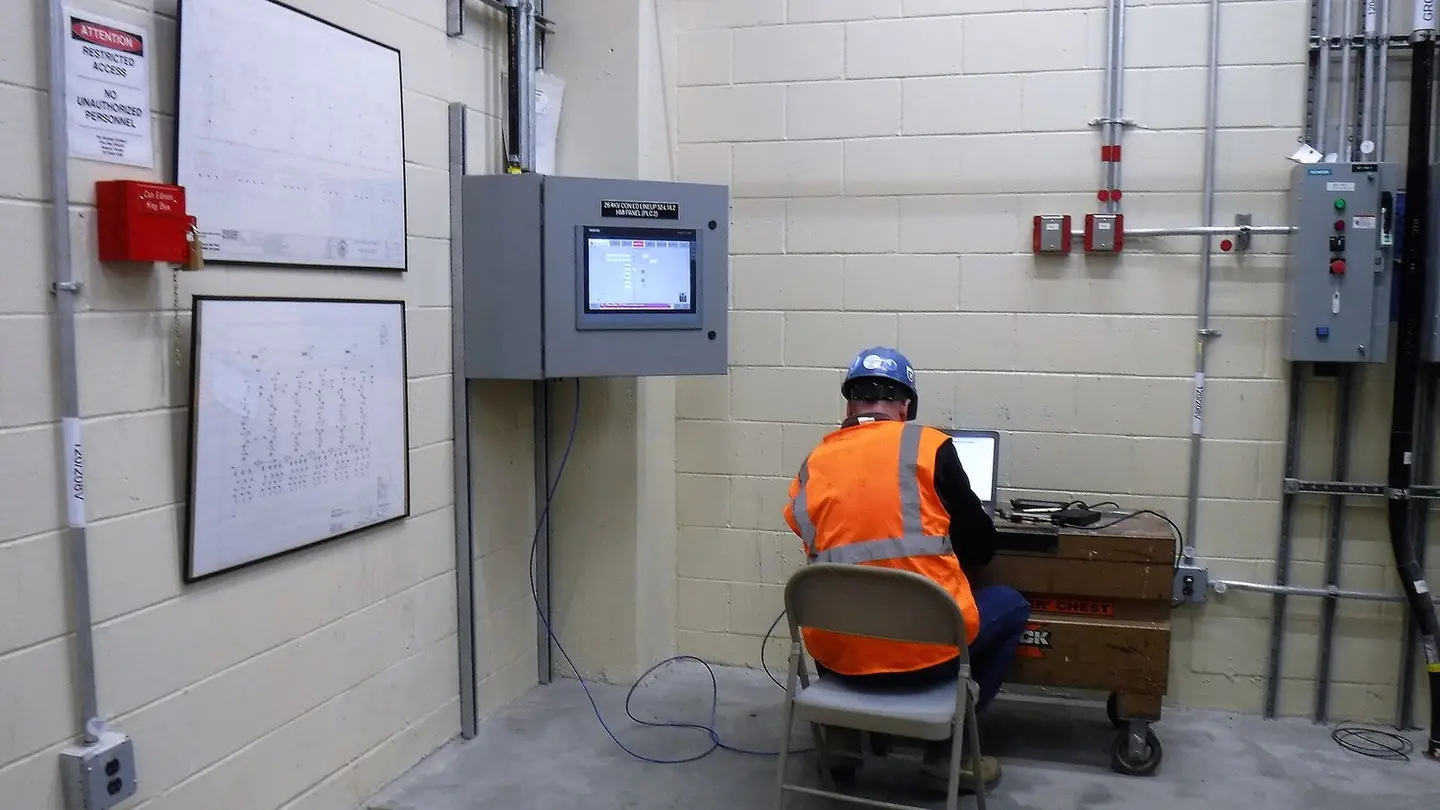
Motor-driven pump unit in a plant hallRow of motor control center cabinetsSpecialist checking the first run from the switchgear room
Prism · electrical analysis, from the MCCBroken rotor bars250 kW pump motor, no sensor on it
Booked into the outageRotor repaired

Detected. From current clamps in the MCC, with no sensor on the pump, Prism finds rotor-bar sidebands around the line frequency.

Planned. Six weeks of margin. The utility books the rotor repair into the next planned outage.

Repaired. Rotor repaired in week 6. A clean spectrum on the first run after the outage.

6-week planning window, no unplanned stop
  1. Diagnosed from the cabinetweek 0
  2. Repair scheduledinto the next planned outage
  3. Rotor repairedweek 6, planned outage
Water utility

A rotor bar fault, found from the cabinet

Situation

An unmanned pumping station on an air-gapped network, with no cloud allowed and no easy access to the machines. Current sensing was installed at the MCC; the platform runs fully isolated on site.

What happened

Prism's electrical analysis flagged broken-rotor-bar signatures on a 250 kW pump motor. The utility scheduled the rotor repair into a planned outage six weeks later.

250kWpump motor, no sensor on it
6wkplanning window
Machine
250 kW pump motor at an unmanned pumping station
Finding
Broken rotor bars
Signature
Sidebands around the line frequency in the motor current
Data
Current clamps in the MCC; no sensor on the pump
Where Prism ran
Fully isolated on site, on an air-gapped network, no cloud
Outcome
Rotor repaired in week 6 in a planned outage; a clean spectrum on the first run after

Read nextBroken rotor bars and MCSAIsolated deploymentMisoki for water & wastewater